
Climate‑driven migration is reshaping the geography of human settlement in ways that were once unimaginable. As shifting climate zones alter where people can live, work, and build stable futures, population patterns are beginning to reorganize across regions and continents. This emerging geography is influencing housing markets, infrastructure planning, and long‑term economic strategy. What was once a slow environmental trend is now becoming a powerful demographic force.
Climate‑driven migration is not a single event. It is a gradual but accelerating movement of people responding to rising temperatures, water scarcity, extreme weather, and declining agricultural viability. These pressures are creating new corridors of movement and redefining which regions are seen as livable, prosperous, and secure.
Why Climate‑Driven Migration Is Accelerating
Climate stress is pushing communities to reconsider their long‑term prospects. Regions facing repeated heatwaves, chronic drought, or coastal flooding are experiencing rising out‑migration. At the same time, cooler or more stable regions are seeing increased inflows of people seeking safety and opportunity.
This shift is especially visible in countries with large climate‑exposed populations. Rural communities dependent on agriculture are moving toward cities with more reliable water and employment. Coastal residents are relocating inland as sea levels rise. Urban centers in temperate zones are becoming magnets for climate‑resilient growth.
How Climate‑Driven Migration Is Redrawing Housing Markets
Housing markets are among the first to respond to shifting climate zones. Regions facing climate stress often see declining property values, reduced investment, and slower construction. In contrast, climate‑resilient areas experience rising demand, higher prices, and rapid development.
Cities in cooler climates or with strong water security are becoming attractive destinations. Developers are responding by building new housing stock, expanding suburban areas, and investing in climate‑resilient design. These changes are creating new real estate dynamics that reflect environmental realities rather than traditional economic patterns.
In some regions, governments are beginning to integrate climate risk into zoning laws, building codes, and land‑use planning. This marks a significant shift in how housing markets are regulated and how future growth is envisioned.
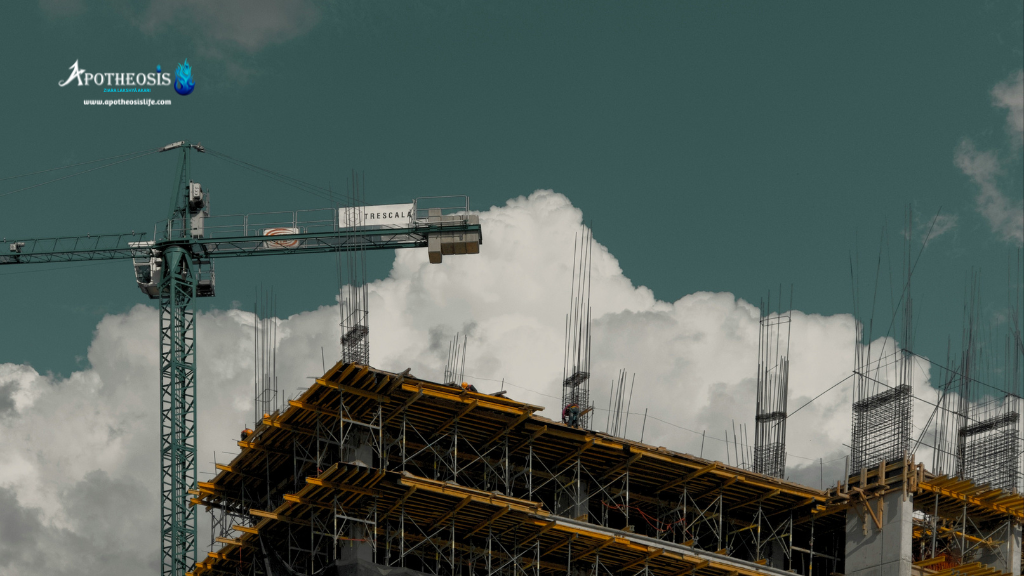
Urban infrastructure under construction in a region adapting to population shifts linked to climate pressures
Photograph by Yael Yañez
Infrastructure Planning in a New Climate Geography
Infrastructure systems are being forced to adapt to new population flows. Cities experiencing climate‑driven migration must expand water networks, transportation systems, healthcare facilities, and energy grids. These investments require long‑term planning and significant capital.
Regions losing population face a different challenge. Declining tax bases make it harder to maintain existing infrastructure. Schools, hospitals, and public services may struggle to operate efficiently. This creates a widening gap between climate‑resilient regions and climate‑stressed ones.
Infrastructure planners are beginning to use climate models to anticipate future migration patterns. This approach helps governments allocate resources more effectively and avoid costly miscalculations.
Economic Consequences of Climate‑Driven Migration
Climate‑driven migration has significant economic implications. Regions gaining population often experience economic growth, increased labor supply, and rising investment. However, they must also manage pressure on housing, public services, and natural resources.
Regions losing population face declining productivity, reduced investment, and shrinking markets. Businesses may relocate to more stable areas, and governments may struggle to maintain economic vitality.
Financial institutions are beginning to incorporate climate‑driven migration into risk assessments. Credit ratings, insurance models, and investment strategies increasingly reflect demographic shifts linked to climate exposure.
Policy Choices That Will Shape Future Migration Patterns
Governments play a central role in managing climate‑driven migration. Policies that support climate adaptation, invest in resilient infrastructure, and protect vulnerable communities can reduce forced migration and stabilize regions.
Some countries are exploring relocation programs for communities facing severe climate stress. Others are investing in climate‑resilient housing, water systems, and agricultural innovation to reduce migration pressure.
Policy decisions made today will determine whether climate‑driven migration becomes a managed transition or a disruptive force.
A New Map of Human Settlement
Climate‑driven migration is creating a new map of human settlement. It is redrawing where people live, how cities grow, and which regions thrive. This emerging geography reflects the realities of a changing climate and the choices societies make in response.
The regions that adapt early will be better positioned to maintain stability and prosperity. Those that ignore climate‑driven migration may face rising economic pressure and long‑term demographic decline.
Climate‑driven migration is more than a demographic trend. It is a defining force that will shape the future of housing, infrastructure, and economic planning.
Details of the Featured Image
- Title: Dried Flower Symbolizing Environmental Stress and Shifting Landscapes
- Caption: A dried flower reflecting the environmental shifts that contribute to changing migration patterns.
- Description: A close view of a dried flower with curled petals and a dark seed head, capturing the quiet environmental stress that reshapes ecosystems and signals the broader climatic pressures influencing human movement.
- Photograph by Pawel Czerwinski
Author
Ziara Lakshyā Akari
Copyright © 2026 www.apotheosislife.com
Drop by and say hi on Instagram: @ziaralakshyaakari