Climate stress is reshaping rural economies across continents. Drought, rising heat, and soil decline are no longer episodic disruptions. They are structural forces rewriting how rural communities produce food, earn livelihoods, and plan for the future. What was once a predictable agricultural rhythm is now a landscape of volatility, forcing rural regions to adopt new economic models to survive.
Rural economies have always been sensitive to environmental change, but today’s climate pressures are deeper and more persistent. They affect water availability, crop viability, livestock health, and long‑term land productivity. As these pressures intensify, rural communities are being pushed toward new forms of work, new technologies, and new patterns of migration.
Climate Stress and the Future of Rural Economies
Climate pressures are altering the basic conditions needed for agriculture and rural livelihoods. Water scarcity, extreme heat, and soil degradation are forcing communities to rethink traditional practices and adopt new strategies for survival. These pressures are pushing rural economies toward innovation, diversification, and new forms of resilience.
Drought and the New Economics of Water
Drought is the most visible and immediate driver of change. In regions from sub‑Saharan Africa to South Asia and the American West, water scarcity is forcing farmers to abandon water‑intensive crops, invest in expensive irrigation systems, or leave agriculture entirely. This shift is reshaping how rural economies allocate water, manage risk, and plan long‑term investments.
Communities are moving toward:
- Low‑water crops such as millets and pulses
- Micro‑irrigation systems that reduce water loss
- Water‑trading markets where access is monetized
- Collective water governance to manage scarcity
These shifts redefine rural labor markets, household income, and long‑term economic stability.
Heat Stress and Changing Rural Work Patterns
Extreme heat is reducing the number of safe working hours outdoors. Rural laborers, who depend heavily on physical work, are seeing declining productivity and rising health risks. This is pushing rural economies to rethink how work is organized and how communities adapt to rising temperatures.
Responses include:
- Mechanization to reduce human exposure
- Shift‑based work during cooler hours
- New rural industries less dependent on outdoor labor
- Climate‑resilient infrastructure like shaded workspaces and cooling centers
Heat is becoming an economic force that determines how rural communities work and earn.
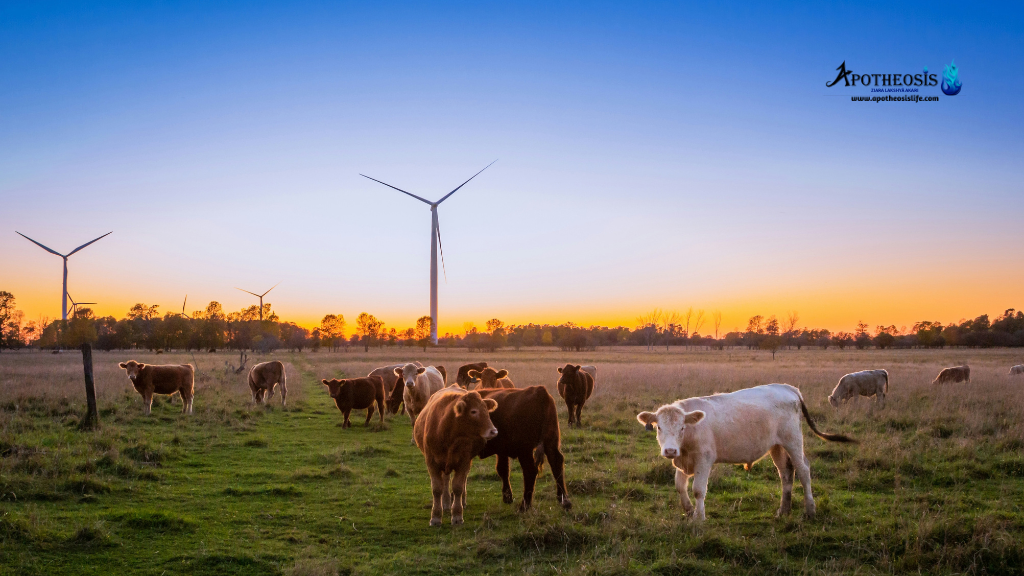
Traditional farming meets renewable energy in a transforming rural landscape
Photograph by Evi T
Soil Decline and Agricultural Viability
Soil degradation is one of the most underestimated climate threats. Declining soil fertility, erosion, and nutrient loss are reducing yields and increasing input costs. This directly affects rural economies that depend on stable agricultural output.
Communities are responding with:
- Regenerative agriculture to rebuild soil health
- Crop diversification to reduce risk
- Agroforestry systems that stabilize soil
- Soil‑monitoring technologies for precision farming
These changes require investment, training, and long‑term planning, all of which reshape rural economic structures.
New Economic Pathways Emerging Across Rural Economies
Climate stress is pushing rural communities toward new economic models.
These include:
- Climate‑smart agriculture
- Rural renewable energy hubs
- Agri‑tech entrepreneurship
- Eco‑tourism and conservation‑based livelihoods
- Skill migration to nearby cities
Rural economies are becoming more diversified, less dependent on traditional farming, and more integrated with regional markets.
Migration as a Strategy for Rural Economies Under Pressure
Climate stress is accelerating rural‑to‑urban migration. Families are sending one or more members to cities to secure income, while maintaining ties to rural land. This creates hybrid economic models where households rely on both urban wages and rural assets.
Migration is becoming a strategic response to climate volatility and a way for rural economies to stabilize income.
A New Rural Future Taking Shape
Rural economies worldwide are undergoing a profound transformation. Climate stress is forcing communities to innovate, diversify, and adapt. The regions that embrace new economic models will be better positioned to maintain stability and opportunity. Those that resist change may face deepening economic vulnerability.
Climate stress is not only altering the environment. It is reshaping the future of rural life, work, and prosperity.
Details of the Featured Image
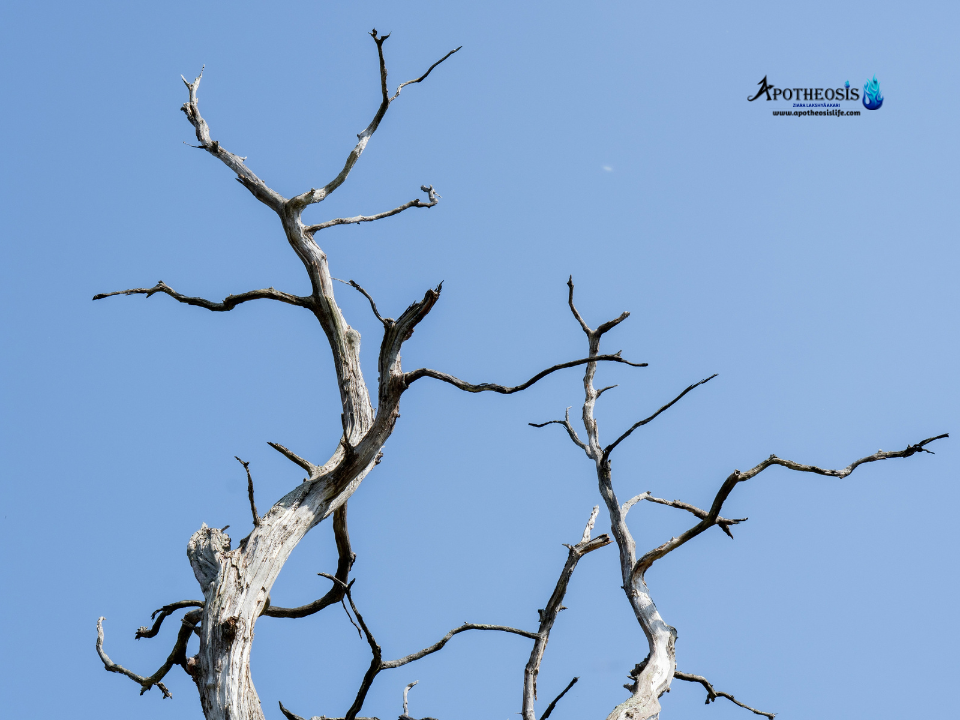
- Title: The Stark Reality of Climate Stress in Rural Landscapes
- Caption: A dead tree illustrating the growing environmental strain on rural regions.
- Description: A weathered, leafless tree stands against a clear sky, symbolizing the environmental pressures reshaping rural regions worldwide. Its skeletal form reflects the growing vulnerability of Rural Economies facing drought, heat, and long‑term ecological decline.
- Photograph by Rob Wingate
Author
Ziara Lakshyā Akari
Copyright © 2026 www.apotheosislife.com
Drop by and say hi on Instagram: @ziaralakshyaakari