Climate risk is now reshaping Global Finance as banks, insurers, and investors rethink how they measure and price exposure to climate‑driven disruptions. What was once seen as an environmental issue has become a core financial variable influencing portfolios, lending decisions, and market valuations.
Physical Climate Risk and Its Impact on Global Finance
Physical climate risk refers to the direct impact of climate events on assets, infrastructure, and economic activity. Financial institutions are modeling how floods, droughts, storms, and heatwaves affect the value of the assets they finance.
Banks are adjusting mortgage lending in flood‑prone regions, insurers are raising premiums or withdrawing coverage from high‑risk zones, and investors are reassessing companies with climate‑sensitive supply chains. These shifts show how climate exposure is now embedded in Global Finance.
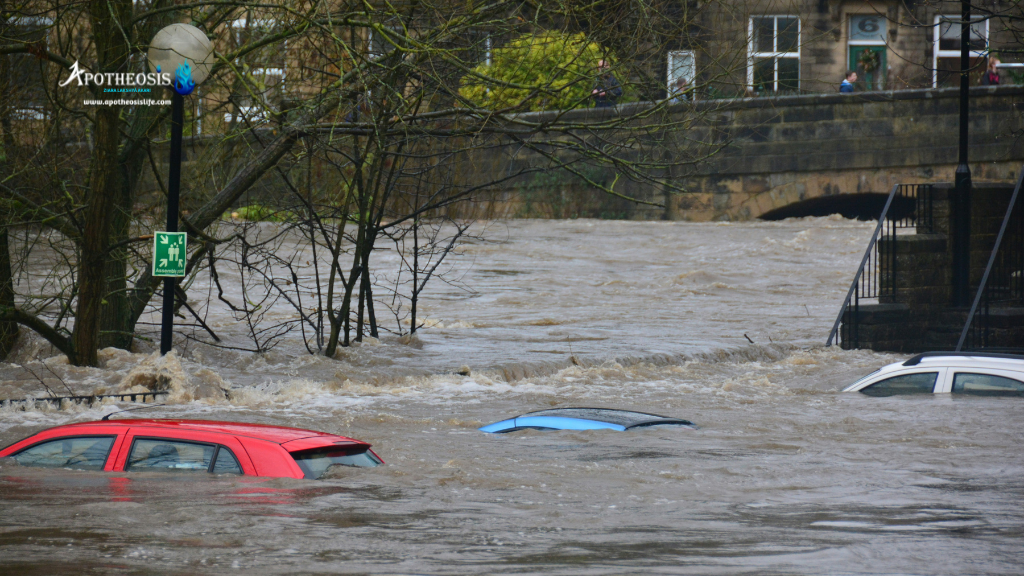
Floodwaters submerge vehicles and streets, showing the growing impact of extreme weather on cities.
Photograph by Chris Gallagher
Transition Risk in a Changing Global Finance Landscape
In Global Finance, transition risk arises from policy changes, technological innovation, and market pressure as economies move toward lower emissions. Carbon pricing, clean energy adoption, and regulatory reforms are reshaping the profitability of entire industries.
Banks evaluate whether borrowers can remain competitive in a low‑carbon economy. Investors reward companies that adapt and penalize those that lag behind. Transition risk has become a core part of long‑term financial planning across Global Finance.
How Banks Are Pricing Climate Exposure Into Lending
In the coming years, Global Finance is likely to see:
- Climate‑adjusted credit ratings
- Higher interest rates for climate‑exposed borrowers
- Stricter collateral requirements for vulnerable assets
- Portfolio‑level climate stress tests
A real estate developer building in a high‑risk coastal region may face higher borrowing costs or additional disclosure requirements. Climate risk is now treated as a material financial variable.
Why Insurers Are Rewriting Their Risk Models
Insurers are on the front lines of climate impact, making them a critical part of Global Finance’s response to climate risk. Rising claims from storms, wildfires, and floods have forced them to overhaul traditional actuarial models.
They are using satellite data, AI‑driven climate analytics, and updated hazard maps to reassess risk. In some regions, insurers raise premiums sharply or exit markets entirely. When insurers pull back, banks reconsider lending, and property values decline, creating a ripple effect across Global Finance.
How Investors Are Revaluing Markets Through Climate Risk
Across Global Finance, investors are embedding climate risk into equity valuations, bond yields, and portfolio allocation strategies. Climate‑aligned funds are growing rapidly, and companies are increasingly evaluated based on their resilience to climate exposure.
Tools such as climate stress testing, scenario analysis, and standardized reporting frameworks help investors compare companies and assess long‑term risk. Markets are beginning to price climate risk as systematically as credit risk or interest rate risk.
The Future of Climate Risk in Global Finance
Climate risk is becoming a foundational part of Global Finance.
In the coming years, Global Finance is likely to see:
- Mandatory climate disclosures across major economies
- Climate‑adjusted financial statements
- New asset classes tied to resilience and adaptation
- More sophisticated climate‑risk modeling using AI and geospatial data
- A shift in capital flows toward climate‑secure regions and industries
Financial institutions that adapt early will gain a competitive advantage. Those that ignore climate risk will face rising losses, regulatory pressure, and declining investor confidence.
Climate risk is reshaping Global Finance from the ground up. Banks, insurers, and investors are learning that climate exposure is financial exposure, and the institutions that integrate climate risk today will define the markets of tomorrow.
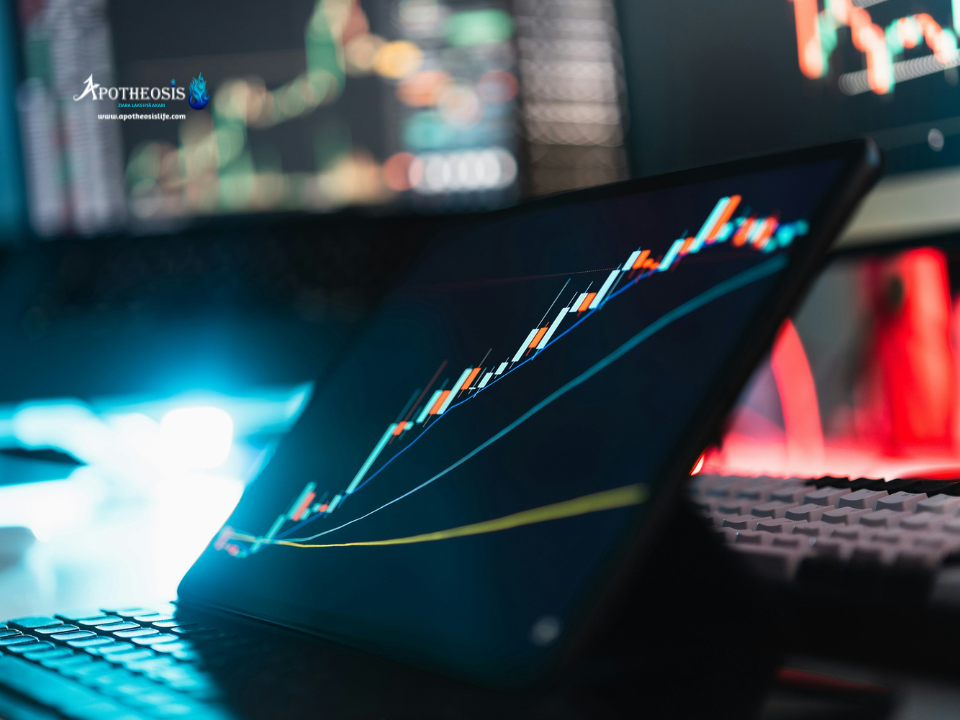
Details of the Featured Image
- Title: Financial Data Screens Showing Market Trends
- Caption: A high‑tech financial workspace displaying market charts and data trends.
- Description: Multiple screens display colorful financial charts and market indicators in a modern trading setup. The image highlights the analytical environment where global financial decisions and climate‑related risk assessments often take place.
- Photograph by Jakub Żerdzicki
Author
Ziara Lakshyā Akari
Copyright © 2026 www.apotheosislife.com
Drop by and say hi on Instagram: @ziaralakshyaakari
Harika bir paylaşım, özellikle konunun önemli detayları oldukça net bir şekilde açıklanmış. İnsanları çeşitli karmaşık anahtar kelimelerle yormak yerine, okumaktan keyif alacağı içerikler her zaman daha iyidir. Kaliteli paylaşım adına teşekkür eder, paylaşımlarınızın devamını sabırsızlıkla beklerim.
Thank you so much for your thoughtful feedback. I’m really glad you enjoyed the post, and I appreciate your kind words 🙏🏻
I’ll keep sharing more content like this. Looking forward to having you around 😊
websitem için çok işime yaradı teşekkür ederim
I’m really happy it was useful for your website 🙌🏻
I appreciate you saying that 😊