Groundwater depletion is becoming one of the most significant economic risks facing countries and markets today. As aquifers fall and water tables decline, the consequences are beginning to reshape agriculture, urban development, and long‑term financial planning. What once seemed like an invisible resource is now revealing its influence on economic stability.
Groundwater depletion is not a sudden crisis. It is a slow, accumulating pressure that shows itself through rising costs, shrinking yields, and infrastructure strain. The economic consequences are beginning to surface in ways that demand attention from policymakers, investors, and businesses.
How Groundwater Depletion Is Reshaping Agriculture
Agriculture is the first sector to feel the impact of declining aquifers. Farmers rely on groundwater to stabilize production when rainfall becomes unpredictable. As water tables drop, wells must be drilled deeper, pumping becomes more expensive, and yields begin to fall. These pressures are already visible in regions that depend heavily on groundwater for irrigation.
In parts of South Asia, the Middle East, and the American West, farmers face rising energy costs to pump water from deeper levels. Some are abandoning water‑intensive crops, while others are shifting to drought‑resistant varieties. These decisions influence food prices, export patterns, and rural livelihoods.
Groundwater depletion also affects agricultural credit markets. Banks are beginning to evaluate water availability when assessing farm loans. Land values shift based on access to reliable water sources. This creates a new layer of financial risk that was not part of traditional agricultural planning.
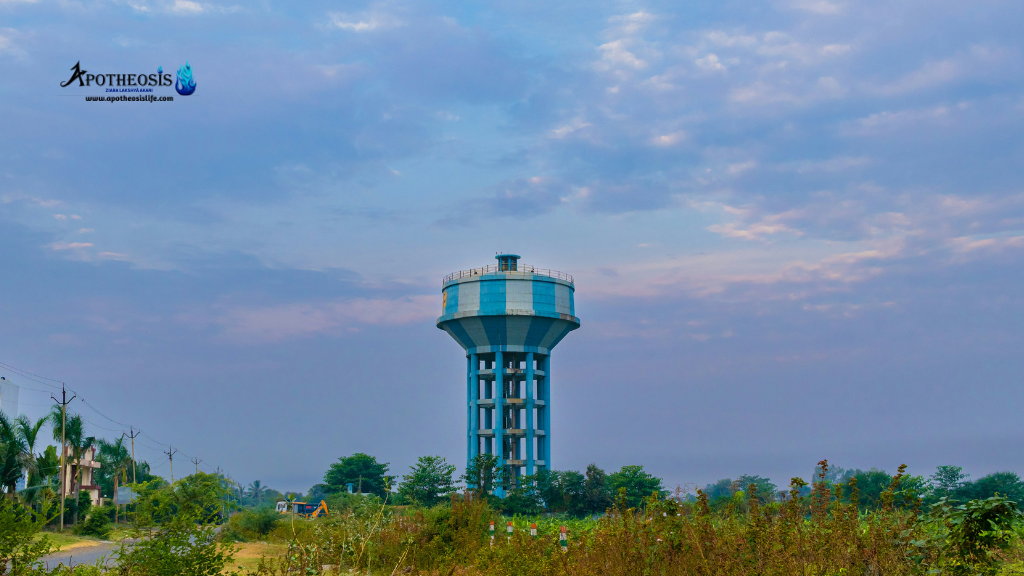
A water tower supplying a region where falling groundwater levels are straining local water systems.
Photograph by VD Photography
Groundwater Depletion and Urban Growth Pressures
Cities depend on groundwater more than most people realize. It supports drinking water systems, construction, industrial activity, and emergency reserves during dry seasons. As aquifers decline, cities face rising costs to secure water, upgrade infrastructure, and manage shortages.
Urban planners are confronting difficult choices. Some cities must invest in new pipelines to bring water from distant sources. Others are turning to desalination or recycling systems that require significant capital. These investments reshape municipal budgets and influence long‑term development strategies.
Groundwater depletion also affects real estate markets. Neighborhoods with declining water access face lower property values, while areas with stable supplies become more desirable. Water security is becoming a factor in urban competitiveness, influencing where businesses choose to locate and where people choose to live.
Financial Planning and the Long‑Term Risks of Groundwater Depletion
The financial sector is beginning to recognize groundwater depletion as a structural risk. Water scarcity affects credit ratings, investment strategies, and insurance models. Municipalities with declining aquifers may face higher borrowing costs, especially if water shortages threaten economic stability.
Companies with water‑intensive operations are being evaluated for long‑term viability. Investors are asking new questions about water exposure, operational resilience, and supply chain vulnerability. Groundwater depletion is becoming a factor in environmental, social, and governance assessments.
Long‑term financial planning must now account for the cost of adaptation. This includes investments in water‑efficient technologies, infrastructure upgrades, and new regulatory frameworks. Countries that fail to address groundwater depletion may face rising economic volatility and reduced competitiveness.
Policy Choices That Will Shape the Future of Groundwater
Governments play a central role in managing groundwater. Many countries lack clear regulations on extraction, monitoring, or recharge. Without policy intervention, aquifers will continue to decline, creating long‑term economic instability.
Effective policies include stricter extraction limits, incentives for efficient irrigation, investment in recharge systems, and transparent water accounting. Some countries are experimenting with groundwater markets that allow users to trade extraction rights. These systems aim to allocate water more efficiently while encouraging conservation.
Policy decisions made today will determine whether groundwater remains a reliable resource or becomes a source of economic disruption. The challenge is to balance agricultural needs, urban growth, and environmental sustainability.
A Slow Crisis With Fast‑Moving Consequences
Groundwater depletion is often described as a slow crisis. It unfolds quietly, without the dramatic visuals of floods or storms. Yet its economic consequences move quickly once thresholds are crossed. Falling aquifers can destabilize food systems, strain cities, and reshape financial markets.
The countries and industries that respond early will be better positioned to maintain stability. Those that ignore groundwater risk may face rising costs, declining productivity, and long‑term economic pressure.
Groundwater is more than a natural resource. It is a foundation of economic resilience. As aquifers decline, the world is being forced to confront the hidden risks beneath its feet.
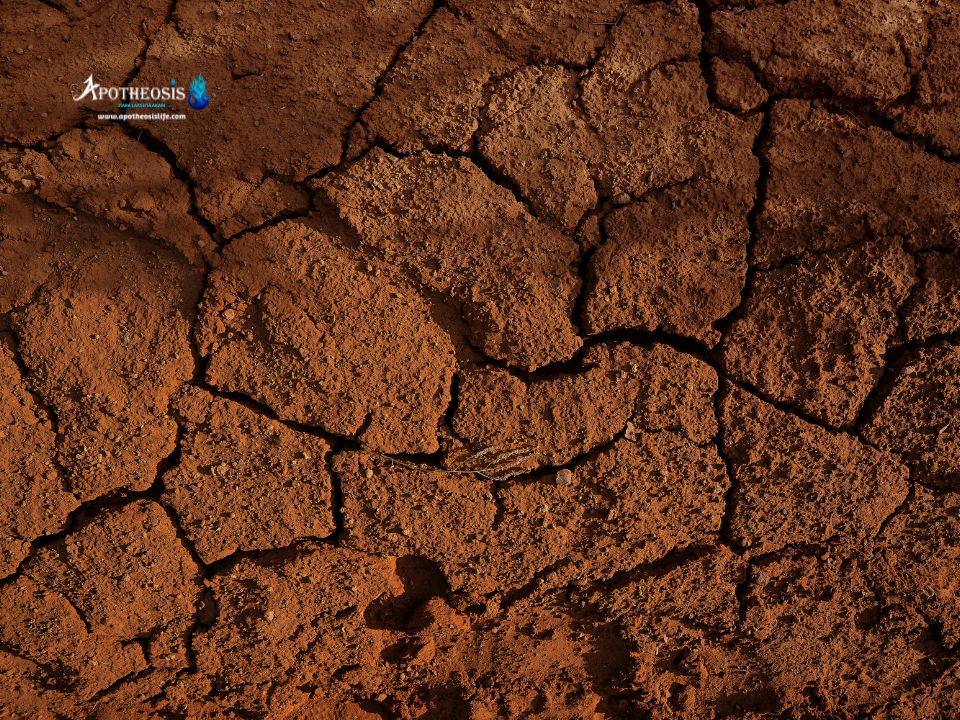
Details of the Featured Image
- Title: Cracked Earth Revealing the Reality of Water Scarcity
- Caption: Dry, cracked soil showing the visible impact of shrinking groundwater reserves.
- Description: A close, detailed view of dry, fractured soil that highlights the severity of water loss in drought‑stricken regions. The image captures the physical imprint of shrinking groundwater reserves and the environmental stress that follows prolonged depletion.
- Photograph by Clay Banks
Author
Ziara Lakshyā Akari
Copyright © 2026 www.apotheosislife.com
Drop by and say hi on Instagram: @ziaralakshyaakari