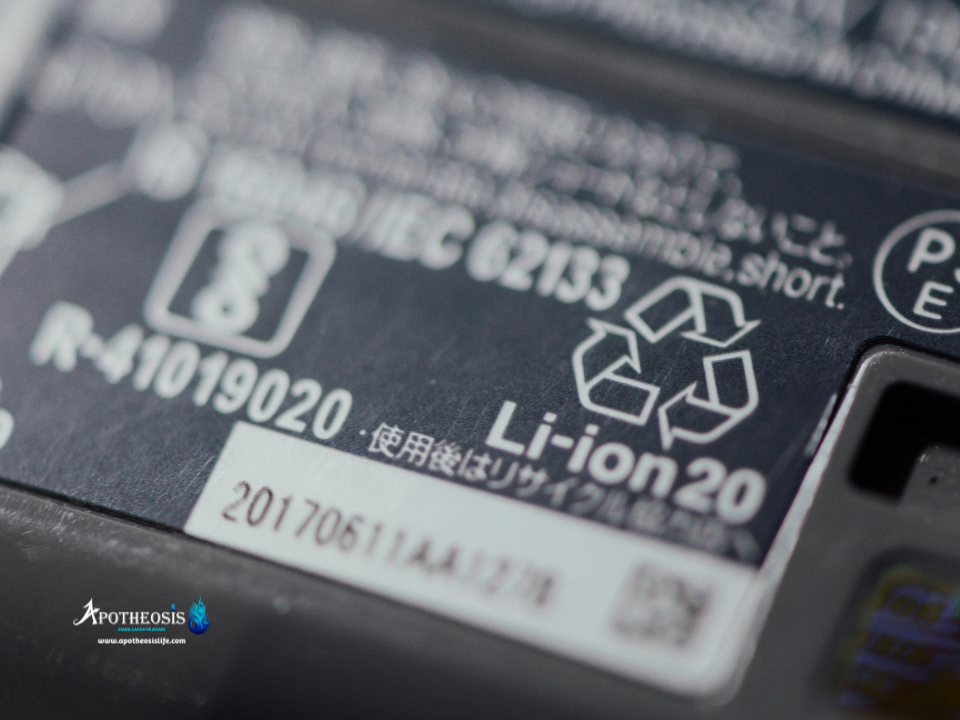
Battery Recycling is becoming a major climate priority as electric vehicles, renewable energy storage, and consumer electronics generate unprecedented volumes of used lithium‑ion batteries. Without effective recycling systems, this waste threatens ecosystems, public health, and the sustainability of the clean energy transition.
Circular energy systems offer a powerful solution. By recovering valuable materials, reducing mining pressure, and reintegrating components back into production cycles, Battery Recycling can transform a growing waste problem into a cornerstone of climate action.
Why Battery Recycling Is a Growing Climate Issue
The rapid rise of electric mobility and renewable energy storage has created a surge in battery demand. Lithium, cobalt, nickel, and graphite are essential for modern batteries, but mining these materials is energy‑intensive and environmentally damaging. When batteries reach the end of their life, improper disposal can lead to toxic leaks, fires, and long‑term soil contamination.
Battery waste is also a climate issue because discarded batteries represent lost resources. Every battery that is not recycled increases the need for new mining, which adds emissions and intensifies pressure on fragile ecosystems.
Circular Energy Systems
Circular energy systems aim to keep materials in use for as long as possible. In the context of batteries, this means designing products that can be easily disassembled, reprocessed, and reintegrated into new energy storage solutions.
Circular systems reduce the need for raw material extraction, lower emissions, and create new economic opportunities in recycling and clean manufacturing. They also help stabilize supply chains by reducing dependence on volatile global markets for critical minerals.

Aerial view of wind turbines operating across farmland, symbolizing the growth of renewable energy within modern circular energy systems
Photograph by Thomas Richter
Innovations Transforming Battery Recycling Technologies
Battery Recycling is evolving quickly, driven by new technologies that improve efficiency, safety, and material recovery rates.
Hydrometallurgical Recycling
This method uses chemical solutions to extract valuable metals from shredded battery materials. It is more energy‑efficient than traditional smelting and can recover high‑purity lithium, cobalt, and nickel.
Direct Recycling
Instead of breaking batteries down into raw materials, direct recycling restores the cathode material so it can be reused in new batteries. This approach preserves more value and reduces processing steps.
Second‑Life Applications
Used electric vehicle batteries often retain significant storage capacity. These batteries can be repurposed for stationary energy storage, supporting solar farms, microgrids, and backup power systems.
AI‑Driven Sorting and Disassembly
Artificial intelligence is improving the speed and accuracy of battery identification, sorting, and safe disassembly. This reduces labor costs and increases recycling throughput.
How Battery Recycling Supports the Clean Energy Transition
Battery Recycling strengthens the clean energy transition in several ways:
- It reduces the environmental impact of mining.
- It lowers the carbon footprint of battery production.
- It improves the affordability of electric vehicles and renewable storage.
- It creates resilient supply chains for critical minerals.
- It supports national climate goals by reducing industrial emissions.
Recycling is not just a waste management strategy. It is a climate strategy that supports long‑term sustainability.
Policy Momentum Driving Battery Recycling Adoption
Governments are beginning to recognize the importance of Battery Recycling. New regulations require manufacturers to take responsibility for end‑of‑life batteries, while incentives support recycling infrastructure and research.
Countries are also investing in domestic recycling facilities to reduce dependence on imported minerals. This shift is creating new industrial ecosystems centered around clean technology and circular production.
A Circular Future
Battery Recycling and circular energy systems are essential for a sustainable energy future. As electric mobility and renewable energy continue to grow, the world must build recycling systems that match the scale of battery production.
The future of clean energy depends not only on innovation in battery design but also on innovation in how we recover, reuse, and reintegrate the materials that power modern life.
Circular systems turn battery waste into a resource. They close the loop, reduce emissions, and help build a cleaner, more resilient energy economy.
Details of the Featured Image
- Title: Lithium‑Ion Battery Label Highlighting Safety and Recycling Standards
- Caption: Label details on a lithium‑ion battery that illustrate global safety standards and the need for responsible Battery Recycling practices.
- Description: A close‑up view of a lithium‑ion battery label displaying certification marks, recycling symbols, and regulatory information. The image emphasizes the importance of proper identification, compliance, and responsible end‑of‑life handling in modern Battery Recycling systems.
- Photograph by CHUTTERSNAP
Author
Ziara Lakshyā Akari
Copyright © 2026 www.apotheosislife.com
Drop by and say hi on Instagram: @ziaralakshyaakari