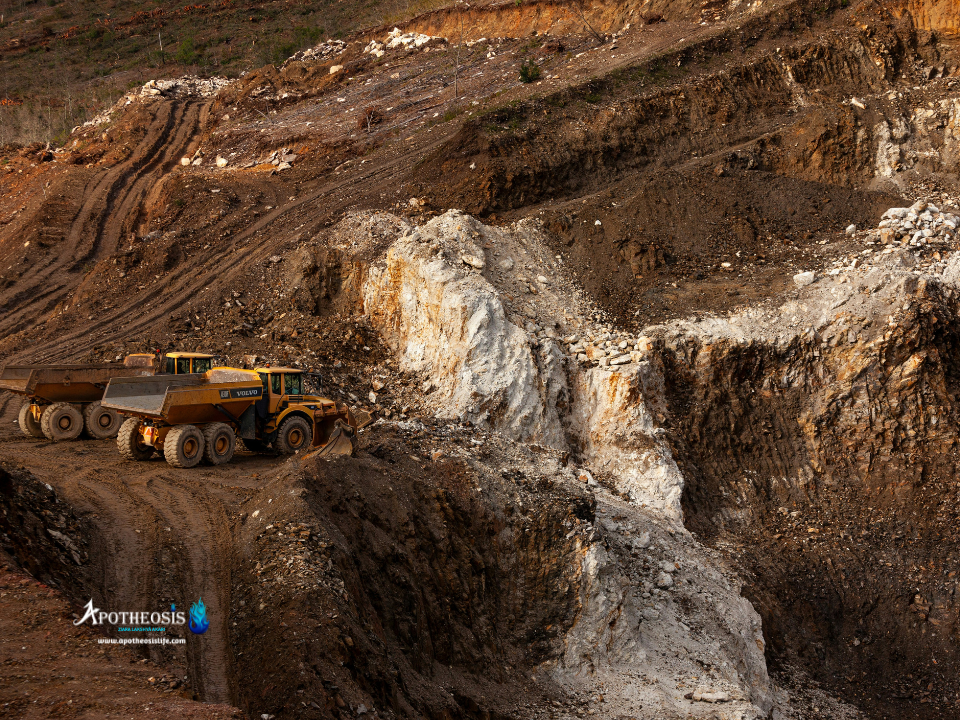
The Critical Mineral supply chain is becoming one of the most urgent challenges in the global clean energy transition. Lithium, cobalt, nickel, and rare earth elements are essential for batteries, electric vehicles, wind turbines, and advanced electronics. As demand accelerates, these minerals are turning into geopolitical flashpoints that shape international alliances, trade policies, and national security strategies.
The world is entering a new era where access to these minerals determines economic competitiveness and climate progress.
Why Critical Mineral Resources Matter for the Clean Energy Transition
Lithium powers electric vehicle batteries. Cobalt stabilizes battery chemistry. Nickel increases energy density. Rare earth elements enable high‑performance magnets used in wind turbines and electric motors.
These resources form the foundation of clean technology. Their role in electrification makes each one a Critical Mineral that countries must secure to meet climate goals.
Lithium: The Foundation of Battery Growth
Lithium demand is expected to triple as electric vehicles become mainstream. Most lithium comes from Australia, Chile, and China, with China dominating refining capacity.
This concentration creates strategic pressure. Countries are competing to secure long‑term lithium supplies, invest in new mines, and develop domestic refining capabilities. Lithium’s importance in battery chemistry places it firmly within the Critical Mineral supply challenge.
Cobalt: Ethical and Geopolitical Tensions
Cobalt is one of the most politically sensitive minerals. More than half of global cobalt production comes from the Democratic Republic of Congo, where mining conditions raise concerns about labor practices, environmental harm, and political instability.
Companies and governments are seeking alternatives, including cobalt‑free battery chemistries and recycling programs. Yet for now, cobalt remains essential, and its supply chain is deeply intertwined with global geopolitics. This makes cobalt a central Critical Mineral in discussions about ethical sourcing.
Nickel: Powering High‑Performance Batteries
Nickel is critical for high‑energy batteries used in long‑range electric vehicles. Indonesia has emerged as a major supplier, investing heavily in nickel processing and attracting global manufacturers.
However, nickel production is energy‑intensive and environmentally challenging. Countries are balancing the need for nickel with the urgency of reducing emissions and improving mining standards. Nickel’s role in battery performance reinforces its status as a Critical Mineral in the clean energy transition.
Rare Earth Elements: The Hidden Drivers of Clean Tech
Rare earth elements are essential for magnets used in wind turbines, electric motors, and advanced electronics. China controls most of the global supply, giving it significant leverage in international trade.
Efforts to diversify supply include new mining projects in Australia, the United States, and Canada, as well as investments in recycling and alternative materials. Rare earths illustrate how mineral control can influence global power dynamics and deepen the Critical Mineral supply chain crisis.
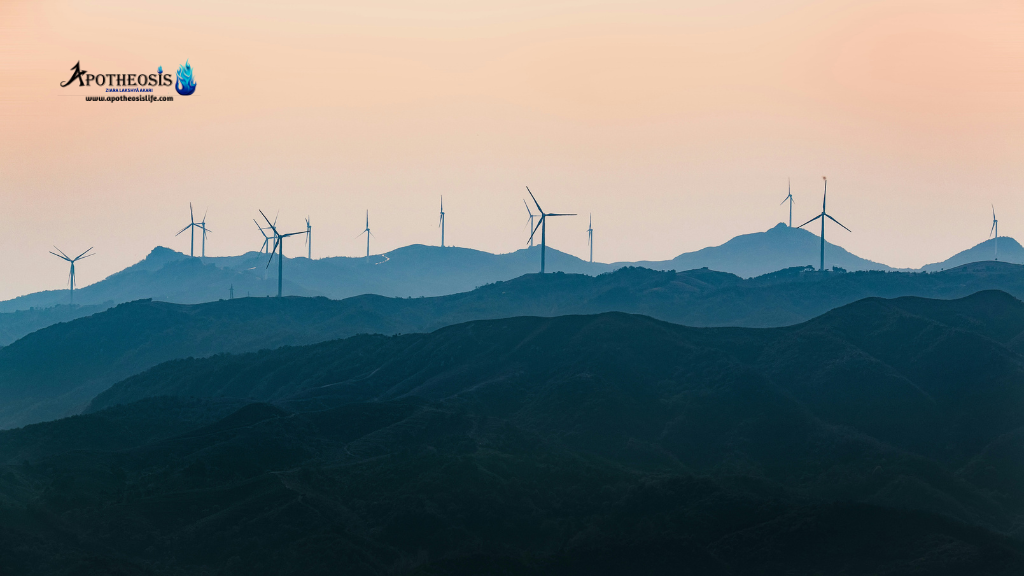
Wind turbines across mountain ridges, representing clean energy systems powered by materials from the Critical Mineral supply chain
Photograph by Vista Wei
Geopolitical Flashpoints in the Critical Mineral Supply Chain
Several forces are driving geopolitical tension around these minerals:
- Rapid growth in electric vehicles and renewable energy
- Concentrated production in politically sensitive regions
- Rising competition between major economies
- National security concerns linked to supply chain control
- Environmental and ethical issues in mining regions
Minerals that once seemed obscure are now central to global strategy. Countries are forming alliances, signing long‑term supply agreements, and investing in domestic mining and refining to reduce dependence on foreign sources. This geopolitical landscape is shaped heavily by Critical Mineral access.
Recycling and Circular Systems Strengthening Mineral Security
Recycling is emerging as a powerful solution to supply chain instability. By recovering lithium, cobalt, nickel, and rare earths from used batteries and electronics, countries can reduce mining pressure and strengthen domestic supply.
Circular systems also lower emissions, reduce waste, and create new industrial opportunities. Recycling will not replace mining entirely, but it will become a major pillar of Critical Mineral security.
A New Era of Competition for Critical Mineral Resources
The Critical Mineral supply chain crisis is reshaping global politics, trade, and industrial strategy. As demand for clean technology grows, access to lithium, cobalt, nickel, and rare earths will determine which countries lead the next industrial era.
The world is moving toward a future where mineral security is as important as energy security. Nations that invest in sustainable mining, recycling, and circular systems will be best positioned to thrive in the clean energy transition.
Details of the Featured Image
- Title: Open‑Pit Mining Site Showing Heavy Machinery
- Caption: Heavy‑duty trucks operating inside an open‑pit mine, illustrating the industrial extraction behind today’s Critical Mineral supply challenges.
- Description: A wide view of an open‑pit mining operation with large industrial trucks positioned along terraced excavation slopes. The image highlights the scale and complexity of mineral extraction central to global Critical Mineral supply chains.
- Photograph by MiningWatch Portugal