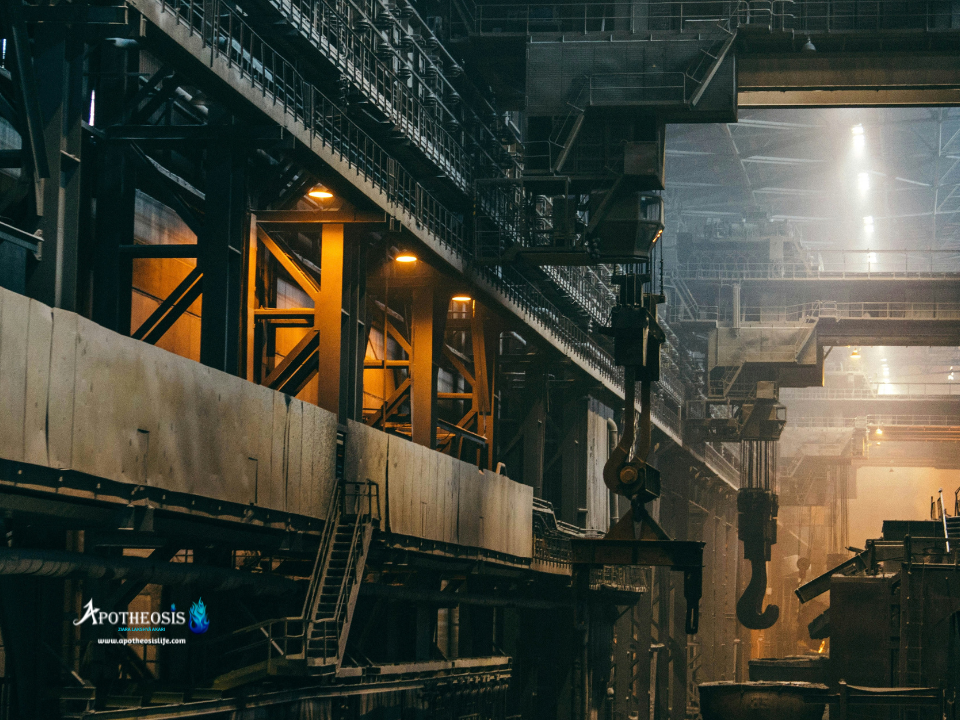
Heavy Industry is one of the most difficult sectors to decarbonize. Steel, cement, and chemicals form the backbone of global infrastructure and manufacturing, yet they also produce some of the highest levels of greenhouse gas emissions. As countries commit to net‑zero targets and climate regulations tighten, these sectors are entering a historic transformation driven by new technologies, policy pressure, and shifting market expectations.
The challenge is enormous. Heavy Industry relies on high‑temperature processes, fossil‑fuel feedstocks, and long‑lived infrastructure that was never designed for a low‑carbon world. Decarbonizing these systems requires innovation at a scale that rivals the industrial revolutions of the past.
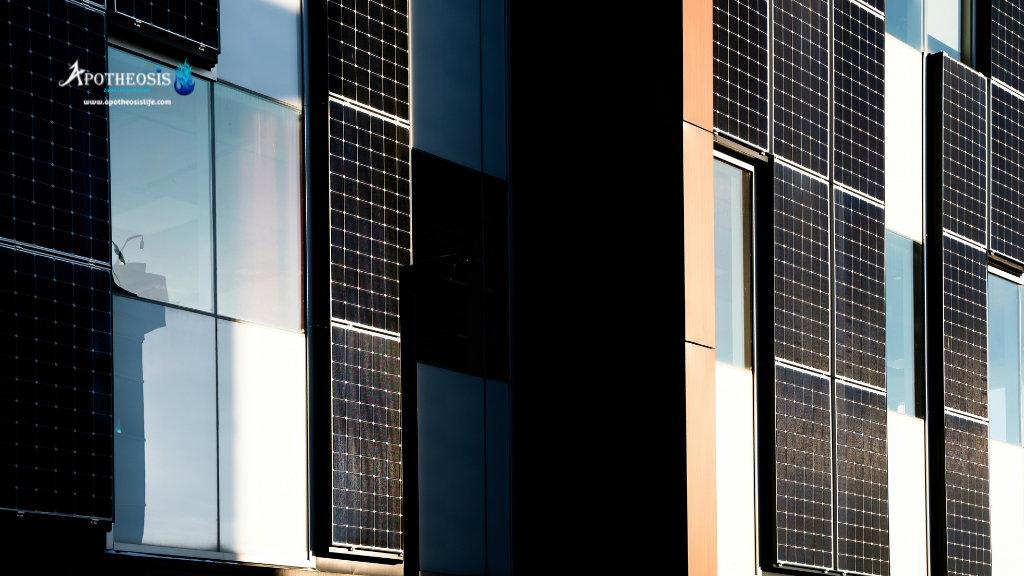
Solar panels integrated into a modern building facade, showcasing the rise of clean energy solutions within evolving industrial design
Photograph by LEDC
Why Heavy Industry Matters in the Climate Challenge
Steel, cement, and chemicals together account for a significant share of global emissions. These materials are essential for buildings, transportation, energy systems, and consumer goods. Reducing emissions from Heavy Industry is critical for meeting global climate goals because these sectors cannot be replaced or phased out. They must be transformed.
Low‑Carbon Steel Technologies in Heavy Industry
Steel production traditionally relies on coal‑based blast furnaces, which release large amounts of carbon dioxide. A new generation of technologies is beginning to change this.
- Green hydrogen as a clean alternative to coal
- Electric arc furnaces powered by renewable energy
- Carbon capture systems for existing plants
These innovations are reshaping the economics of steel production and creating new pathways for low‑carbon manufacturing within Heavy Industry.
Cement Production and the Challenge of Process Emissions
Cement is responsible for significant emissions because the chemical reaction that produces clinker releases carbon dioxide. This makes cement one of the hardest materials to decarbonize.
Key solutions include:
- Low‑carbon cement blends
- Alternative binders
- Carbon capture and storage
- Energy efficiency upgrades
The cement sector is experimenting with new formulas and production methods that could dramatically reduce its climate impact and support cleaner Heavy Industry.
Cleaner Pathways for Chemical Manufacturing
Chemical production depends on fossil‑fuel feedstocks and energy‑intensive processes. Decarbonizing this sector requires both technological and structural change.
Emerging strategies include:
- Electrification of chemical processes
- Bio‑based feedstocks
- Circular production models
- Advanced catalysts
The chemical industry is moving toward cleaner production cycles that reduce emissions across the entire value chain and contribute to a more sustainable Heavy Industry.
Policies Accelerating Heavy Industry Transformation
Governments are pushing industrial transformation through:
- Carbon pricing
- Emissions trading systems
- Clean technology subsidies
- Green public procurement
- Mandatory reporting and disclosure
These policies create incentives for companies to invest in cleaner technologies and align industrial production with national climate goals.
Market Pressure and the Demand for Low‑Carbon Materials
Investors, consumers, and global supply chains are increasingly demanding low‑carbon materials. Companies that adopt clean technologies early are gaining competitive advantages in markets where sustainability is becoming a core requirement.
Green steel, low‑carbon cement, and clean chemicals are beginning to appear in construction, automotive manufacturing, and consumer goods. This shift is creating new economic opportunities for companies that innovate within Heavy Industry.
A New Industrial Era Is Emerging
The race to decarbonize steel, cement, and chemicals is reshaping global manufacturing. These sectors are moving toward cleaner production systems that rely on renewable energy, advanced materials, and circular design. The transition is complex, but it is also a defining moment for climate action and industrial innovation.
Heavy Industry built the modern world. Now it is being rebuilt for a low‑carbon future.
Details of the Featured Image
- Title: Interior of a Modern Heavy Industry Facility
- Caption: Inside a modern industrial facility where large‑scale manufacturing and advanced machinery shape the future of Heavy Industry.
- Description: A large industrial facility with towering metal structures, overhead cranes, walkways, and warm lighting that highlights the scale and complexity of modern manufacturing. The scene captures the intensity and precision of operations inside a steel or heavy manufacturing plant.
- Photograph by Ant Rozetsky
Author
Ziara Lakshyā Akari
Copyright © 2026 www.apotheosislife.com
Drop by and say hi on Instagram: @ziaralakshyaakari