Packaging is everywhere, wrapped around our food, protecting our electronics, cushioning our deliveries, and lining supermarket shelves. Yet it remains one of the most persistent sources of waste. Traditional packaging, especially single use plastics, contributes to pollution, landfill overflow, and rising greenhouse gas emissions. As climate pressures intensify, the race to reinvent sustainable packaging has become a defining challenge for businesses, innovators, and policymakers.
Sustainable packaging is not just about replacing plastic with paper. It requires rethinking materials, redesigning systems, and reimagining how products move through the economy. From compostable biomaterials to refillable systems and advanced recycling technologies, the future of packaging is being shaped by innovation and climate urgency.
Biobased Materials and Sustainable Packaging Innovation
Biobased materials are emerging as one of the most promising alternatives to fossil fuel based packaging. These materials are created from renewable, plant derived sources that reduce dependence on petroleum and often break down more easily in natural environments.
Examples include:
- Bioplastics made from corn, sugarcane, or algae
- Mushroom based packaging that decomposes naturally
- Seaweed films used for food wrapping
- Bagasse, the fiber left after processing sugarcane, molded into containers
Scaling these materials responsibly requires attention to land use, water consumption, and end of life pathways.
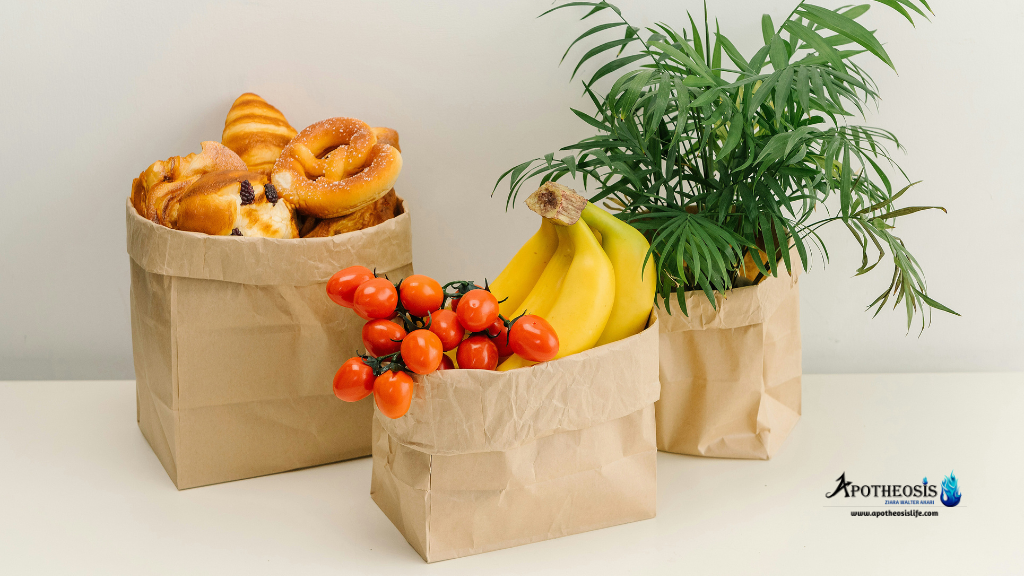
Paper bags filled with fresh food and a plant, showing practical and sustainable packaging choices
Photograph by Archer Fu
Recycling Reinvented for Sustainable Packaging
Sustainable packaging depends on effective recycling systems, yet traditional recycling struggles with contamination, low recovery rates, and limited infrastructure. New technologies are helping close the loop more effectively.
Innovations include:
- Chemical recycling that breaks plastics down to their molecular building blocks
- AI powered sorting systems that improve recycling accuracy
- Mono material packaging designed for easier processing
- Deposit return schemes that increase collection rates
These solutions keep materials in circulation and reduce the need for virgin resources.
Refill and Reuse Systems: Packaging That Does Not Become Waste
The most sustainable packaging is the one that never becomes waste. Refill and reuse systems are gaining momentum as consumers and companies look for alternatives to single use models.
Examples include:
- Refillable household cleaners
- Reusable food containers in grocery stores
- Returnable e commerce packaging
- Beverage bottle take back programs
These systems reduce material consumption and emissions while encouraging a culture of circularity.
Minimalist and Smart Packaging: Doing More With Less
Minimalist packaging focuses on reducing unnecessary layers, inks, adhesives, and plastics. Smart packaging adds digital features that reduce physical materials.
Trends include:
- Lightweighting to reduce material use
- Smart packaging with QR codes replacing printed labels
- Edible packaging for select food products
- Flat pack designs that optimize shipping efficiency
These innovations cut emissions across the entire lifecycle, from production to transport.
Policy and Corporate Leadership: Driving the Transition
Governments and companies are accelerating the shift toward sustainable packaging through regulations and commitments.
Key drivers include:
- Extended Producer Responsibility laws
- Plastic bans and phase outs
- Corporate zero waste goals
- Science based targets for packaging emissions
These frameworks push industries to innovate and adopt sustainable alternatives at scale.
The race to reinvent sustainable packaging is reshaping industries and redefining how products reach consumers. From biobased materials and advanced recycling to refill systems and minimalist design, the future of packaging is circular, low carbon, and climate smart. As innovation accelerates, sustainable packaging will play a crucial role in reducing waste, cutting emissions, and building a more resilient planet.
Details of the Featured Image
- Title: Eco Friendly Cardboard Packaging for Sustainable Packaging
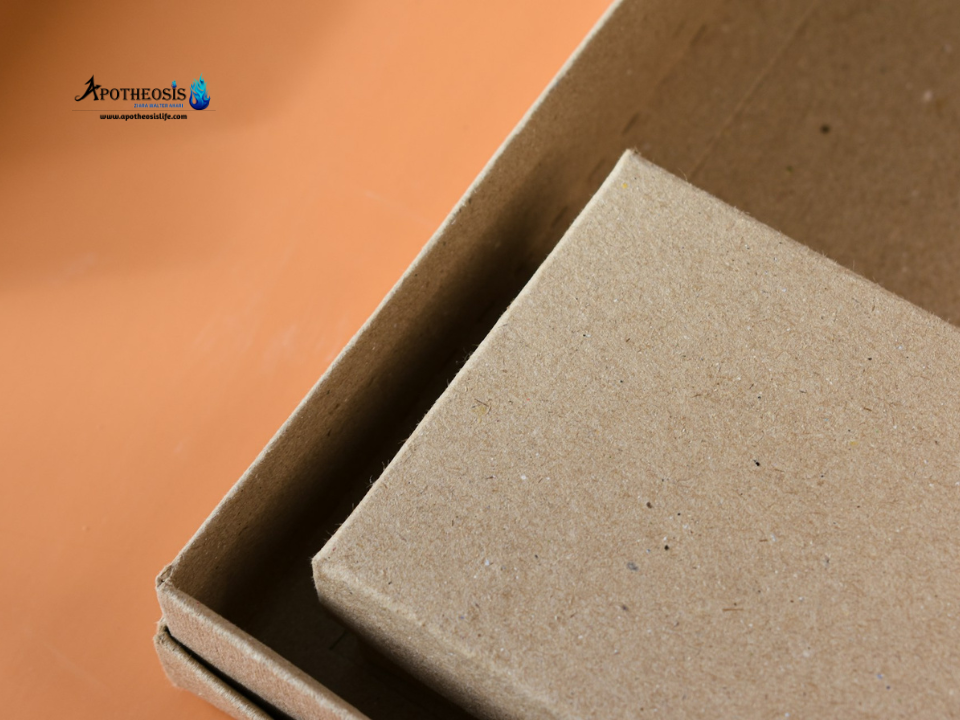
- Caption: Nested cardboard boxes representing a clean and minimal approach to sustainable packaging.
- Description: A close up photograph of two nested cardboard boxes placed on a warm orange surface. The natural fiber texture of the cardboard highlights simple and sustainable packaging choices suitable for low impact product delivery.
- Photograph by Harper Sunday
Author
Ziara Lakshyā Akari
Copyright © 2026 www.apotheosislife.com
Drop by and say hi on Instagram: @ziaralakshyaakari
Çok yararlı bir makale olmuş. Severek takip ediyorum. Teşekkür ederim.
Thank you so much! I’m really glad you found the article helpful. I appreciate your support and it means a lot 🙏🏻😊