Supply chains are the backbone of the global economy. They move raw materials, finished goods, and essential products across continents every day. They also carry a significant environmental footprint. Transportation, warehousing, packaging, and manufacturing collectively generate large volumes of emissions and waste. As climate pressures intensify, companies are rethinking how supply chains operate and shifting toward greener, more circular systems, especially as Green Supply Chains become central to reducing long term environmental impact.
This shift includes the rise of Green Supply Chains, which focus on reducing carbon emissions, minimizing waste, and designing logistics that support long term sustainability. This transformation requires new technologies, smarter planning, and a commitment to circularity across every stage of production and distribution.
Rethinking Materials and Manufacturing
Green Supply Chains begin with cleaner materials and more efficient production methods that reduce emissions from the earliest stages of manufacturing. Sustainable materials reduce upstream emissions and make products easier to reuse or recycle.
Key strategies include:
- Using recycled or biobased materials
- Reducing water and energy consumption in factories
- Designing products for disassembly and repair
- Eliminating toxic chemicals that complicate recycling
These choices create a foundation for circularity and reduce the environmental impact before products even leave the factory.
Low Carbon Transportation and Logistics in Green Supply Chains
Transportation is one of the largest contributors to supply chain emissions. Companies are adopting cleaner mobility solutions to reduce their carbon footprint.
Examples include:
- Electric delivery fleets
- Route optimization powered by AI
- Consolidated shipments to reduce empty miles
- Rail and sea transport for long distance movement
- Urban micro hubs that shorten last mile delivery
These innovations cut fuel use, reduce congestion, and support climate friendly logistics.
Circular Packaging and Reverse Logistics in Green Supply Chains
Circularity is becoming a core principle in modern supply chains. Companies are designing packaging and logistics systems that keep materials in use for longer.
Circular strategies include:
- Reusable packaging for shipping and retail
- Take back programs for products and materials
- Repair and refurbishment centers
- Closed loop recycling partnerships
Reverse logistics, which moves products back through the supply chain for reuse or recycling, is essential for reducing waste and recovering valuable materials.
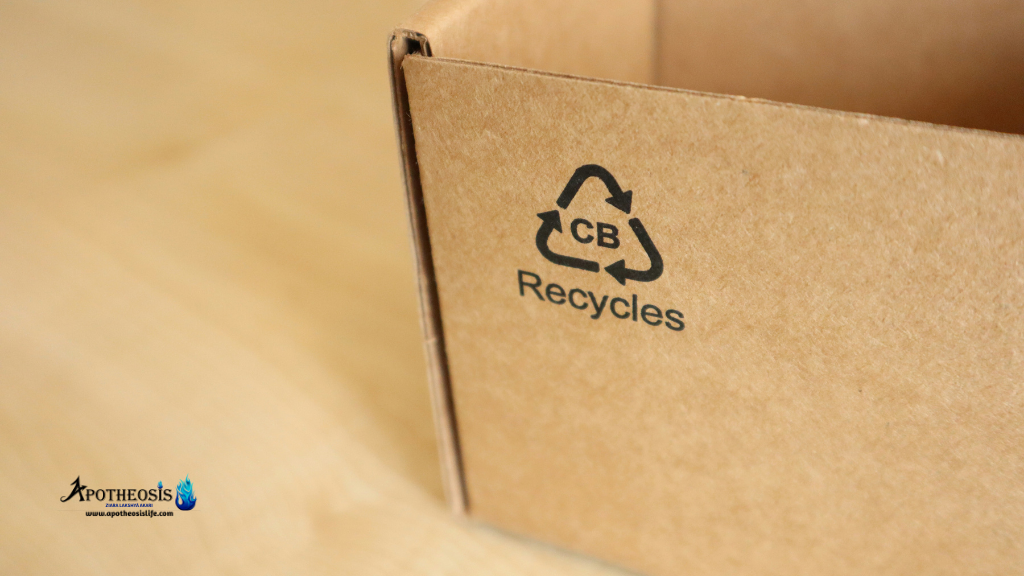
A recyclable cardboard box symbolizing circular packaging within green supply chain systems
Photograph by Ochir-Erdene Oyunmedeg
Smart Warehousing and Energy Efficient Storage
Warehouses are evolving into climate smart facilities that use less energy and operate more efficiently.
Common improvements include:
- Solar powered rooftops
- LED lighting and automated energy controls
- Robotics that reduce unnecessary movement
- Smart inventory systems that prevent overproduction
- Green building certifications for new facilities
These upgrades lower operational emissions and improve overall supply chain performance.
Collaboration and Policy Support
Green supply chains require cooperation across industries, governments, and communities. Regulations and corporate commitments are accelerating the shift toward sustainable logistics.
Important drivers include:
- Science based climate targets
- Carbon reporting requirements
- Extended Producer Responsibility laws
- Global sustainability standards
- Partnerships between manufacturers, recyclers, and logistics providers
Collaboration ensures that sustainability is embedded across the entire supply chain rather than isolated to individual companies.
Green supply chains are reshaping how products are made, moved, and reused. By adopting cleaner materials, low carbon transportation, circular packaging, and energy efficient warehousing, companies are reducing emissions and building more resilient systems. As climate action becomes a global priority, sustainable logistics will play a central role in creating a circular and low impact economy.
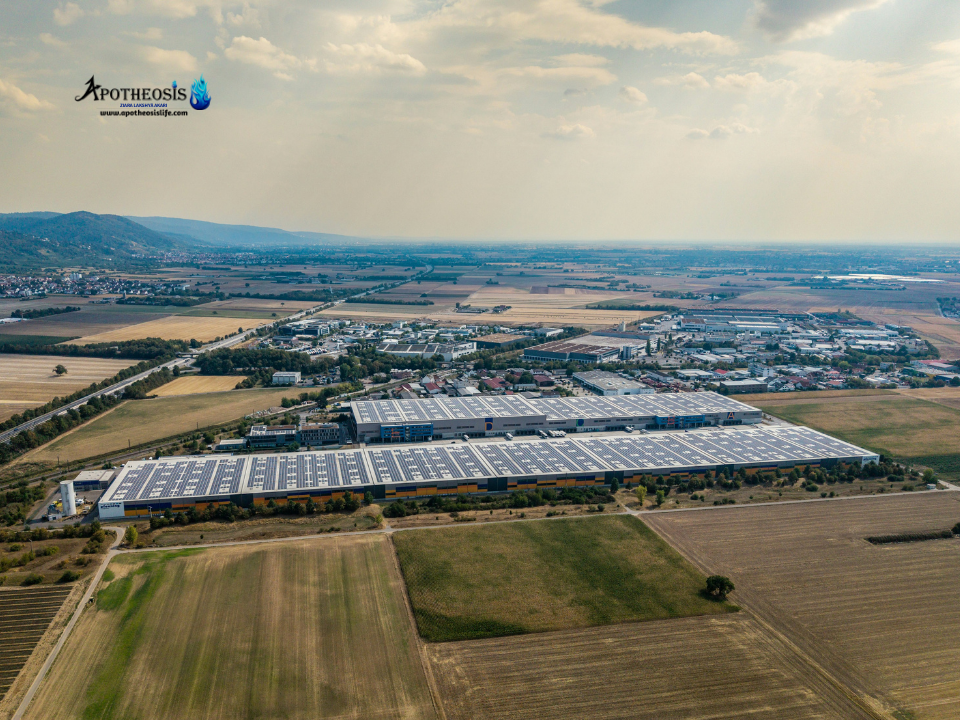
Details of the Featured Image
- Title: Solar Powered Logistics Facility
- Caption: A solar powered logistics hub showcasing the shift toward cleaner and more efficient supply chain operations.
- Description: An aerial view of a large logistics complex with multiple warehouse rooftops covered in solar panels, surrounded by farmland and connected infrastructure. The image highlights modern energy efficient industrial design.
- Photograph by Bernd Dittrich
Author
Ziara Lakshyā Akari
Copyright © 2026 www.apotheosislife.com
Drop by and say hi on Instagram: @ziaralakshyaakari
1 thought on “Green Supply Chains: How Companies Are Redesigning Logistics”