
Cities are warming faster than their surroundings. This phenomenon, called Heat Islands, is a clear signal of climate change. In these urban hotspots, concrete, asphalt, and steel trap heat, raising temperatures far above nearby rural areas. As global warming intensifies, Heat Islands magnify risks to health, infrastructure, and survival.
What Creates Urban Heat Islands
Urban design often prioritizes dense construction over natural cooling.
Concrete and asphalt: Surfaces absorb heat during the day and release it slowly at night.
Limited vegetation: Trees and parks that could cool cities are replaced by buildings.
Energy use: Air conditioners and vehicles add more heat to already stressed environments.
This cycle makes cities hotter, and hotter cities demand more energy, worsening climate change.
The Human Cost
Heat stress is not just about discomfort. It reshapes daily life:
Health risks: Dehydration, respiratory problems, and heat‑related illnesses rise sharply.
Economic strain: Higher cooling costs burden households and businesses.
Social inequality: Vulnerable communities, often in poorly designed neighborhoods, face the harshest impacts.
Urban warming reveals how climate change is unevenly distributed, hitting those least able to adapt.
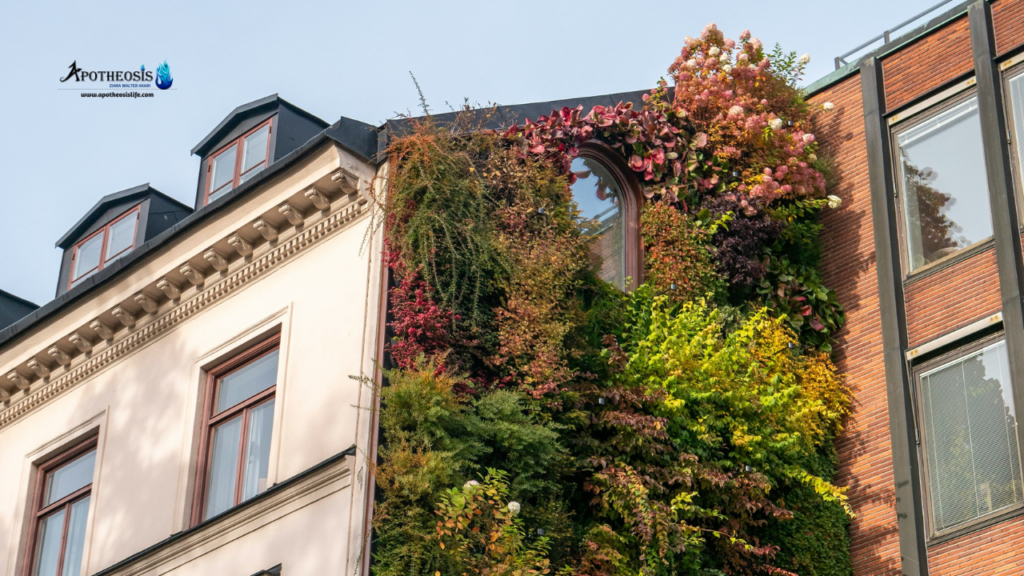
Green architecture like vertical gardens helps cities counter Heat Islands through sustainable cooling and design
Photograph by Javier Bosch
Global Examples
Delhi and Mumbai: Dense construction and limited green cover intensify summer heat.
Tokyo: Skyscrapers and traffic create persistent urban hotspots, even at night.
New York City: Asphalt streets and high energy use make summers dangerous for vulnerable populations.
Dubai: Rapid expansion has created extreme warming despite technological cooling.
These examples show that Heat Islands are a global challenge.
Cooling Solutions
Cities can be redesigned to reduce urban heat.
Urban greenery: Planting trees, rooftop gardens, and vertical forests cool naturally.
Reflective surfaces: White roofs and lighter pavements reduce heat absorption.
Water features: Lakes, fountains, and rainwater harvesting lower local temperatures.
Public transit: Reducing car use cuts emissions and traffic heat.
Community planning: Shade, ventilation, and open spaces help residents adapt.
Therefore, investing in green infrastructure is essential. In addition, reflective surfaces can lower temperatures by several degrees. As a result, cities that adopt these measures become healthier and more resilient.
Heat Islands as a Climate Signal
Urban warming is more than an inconvenience. It shows how climate change interacts with human design. By addressing Heat Islands, cities can reduce emissions, protect health, and build resilience. Cooling strategies are not luxuries. They are survival tools in a warming world.
Heat Islands place cities on the frontline of climate change. They expose the costs of poor design and the urgency of rethinking urban life. By planting trees, redesigning surfaces, and prioritizing community health, we can transform urban hotspots into cooler, more livable spaces. Climate change is global, but solutions begin locally. Cooling cities is not just about comfort. It is about survival.
Details of the Featured Image
– Title: Mediterranean City Under the Pressure of Heat Islands
– Caption: Dense Mediterranean cities face growing risks as Heat Islands intensify under shifting climate patterns
– Description: A panoramic view of a densely built Mediterranean city with white buildings and terracotta roofs, interspersed with cypress trees. The image highlights the architectural richness of an urban center while showing its vulnerability to rising temperatures and the intensifying effects of Heat Islands.
Photograph by: Thiago Palia
Author
Ziara Walter Akari
Copyright © 2025 www.apotheosislife.com